Subtotal ₨ 0





Email :38
SEO for Dentists:
Running a great dental practice is not enough anymore. You could offer the gentlest dental treatment in town, the most modern equipment, and a genuinely caring team, but if your website never shows up when someone searches for dental services online, none of that matters to a person who has never heard of you. SEO, search engine optimization, is simply the practice of making sure Google understands what you offer and shows your website to the right people at the right moment. This guide walks through what SEO actually looks like for a dental practice, from the basics of preventative dentistry content to more specific service pages for implants, orthodontics, and emergency care. None of this is complicated once you break it down, and small, consistent effort here tends to pay off far more than a one-time website redesign ever does.

Why SEO Matters More for Dentists Than Most Businesses
Dental care is a trust-based, local decision. Nobody drives across the city for a routine dental checkup unless they already have a strong reason to trust that particular clinic. This means your website needs to do double duty: rank well enough to be found, and then reassure the visitor within seconds that they picked the right place. Good SEO is not just about keywords stuffed into a page; it is about structuring your site so search engines can clearly understand what dental treatment options you offer, where you are located, and why patients should choose you over the practice two streets away. Practices that invest in SEO consistently report a steadier stream of new patients that does not evaporate the moment they stop running paid ads, because organic rankings, once earned, tend to stick around.
Building a Website Around Comprehensive Dentistry
Your website’s core service pages should reflect the full breadth of what you offer, and this is where the idea of comprehensive dentistry becomes useful as both a concept and a keyword theme. Instead of one crowded page listing every procedure in a bullet list, build separate, well-written pages for major categories, general and preventative dentistry, restorative and surgical work, cosmetic dentistry, orthodontics, periodontics, and emergency care. Each page should explain the procedure in plain language, address common patient questions, and include a clear next step, usually a phone number or booking form. This structure helps search engines see your site as an authoritative, well-organized resource, and it helps nervous patients feel like they already understand what to expect before they even call.
Preventative Dentistry Content That Builds Trust
A huge share of dental searches come from people trying to avoid a bigger problem down the road. Content built around preventative dentistry, dental hygiene tips, and how to properly maintain oral health performs well because it answers real, everyday questions. Write about what a routine dental checkup actually involves, why professional teeth cleaning matters even for people who brush regularly, and what happens during a typical dental exam and x-rays visit. Explain plaque and tartar removal in simple terms, since most patients have heard these words without really understanding the difference. This kind of content rarely feels like a sales pitch, and that is exactly why it works so well for SEO. Search engines and patients alike reward genuinely helpful, non-pushy information, and it naturally builds the kind of trust that turns a casual website visitor into a booked appointment.
Do’s and Don’ts of Dental SEO Content
| Do | Don’t |
|---|---|
| Write separate pages for each major service, like dental implants or teeth whitening treatment | Cram every procedure onto one long, generic services page |
| Explain procedures in plain, reassuring language | Use dense clinical jargon that scares or confuses patients |
| Update your dental care plan and pricing pages regularly | Leave old, outdated information sitting on your site for years |
| Include real patient questions and answers within your content | Copy content from other dental websites word for word |
| Optimize page titles and headings around how patients actually search | Stuff keywords unnaturally into every sentence |
| Add clear calls to action, like booking links or phone numbers | Bury your contact information deep inside the site |
| Link internally between related pages, like implants and bridges | Leave pages as isolated dead ends with no next step |
Restorative and Surgical Dentistry: Writing for High-Intent Searches
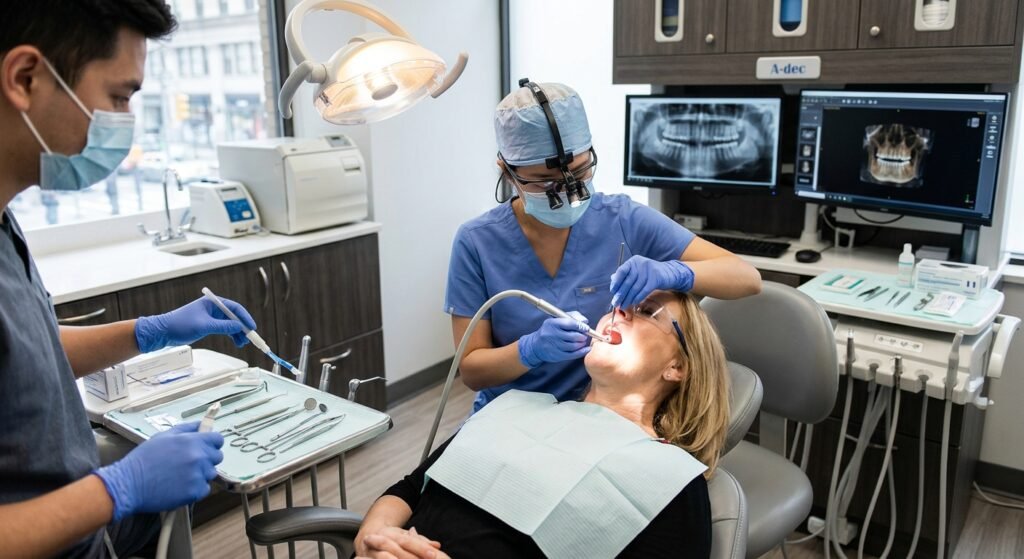
People researching dental implants, root canal therapy, tooth extraction, dental crowns, or dental bridges are usually further along in their decision-making process than someone just searching general dental services. They want specifics. A strong page on implants should walk through the dental implant procedure steps in a way that is accurate but not overwhelming, while a root canal page should gently address the fear most patients carry into that search, many are looking for reassurance as much as information. Cover practical comparisons too, since dental bridge vs implant is a genuinely common question patients type into Google when they are unsure which option fits their situation and budget. A page on wisdom teeth removal recovery should set realistic expectations about downtime, because patients researching this are often anxious and want to know exactly what the next few days will look like. If your practice offers full mouth dental implants or specializes in endodontic treatment, dedicate real space to explaining these clearly rather than mentioning them in passing. Patients searching for painless tooth extraction, in particular, are looking for reassurance just as much as clinical information, and a page that speaks directly to that fear tends to convert far better than one that simply lists procedures.
Cosmetic Dentistry Pages That Sell the Result, Not Just the Procedure
Cosmetic dentistry searches are driven by confidence and appearance, which means your content needs a slightly different tone than clinical restorative pages. Someone searching teeth whitening treatment, porcelain veneers, dental bonding, or smile makeover wants to picture the outcome before they commit. Use before-and-after photos where you have patient consent, explain professional teeth whitening options clearly, and be upfront about pricing ranges where possible, since dental veneers cost is one of the most commonly searched phrases in this category and vague answers push people toward competitors who are more transparent. A comparison page covering composite vs porcelain veneers helps patients feel informed rather than sold to. If you handle cases like chipped tooth repair or corrective work for a gummy smile, write specifically about how to fix a gummy smile as its own topic rather than folding it into a generic cosmetic page, since that specificity is exactly what ranks well and what patients are actively searching for.
Orthodontics: Meeting Patients at Every Age and Stage
Orthodontic treatment is no longer just a teenage rite of passage, and your SEO content should reflect that shift. Build pages around clear aligners, Invisalign treatment, and traditional dental braces separately, since patients searching for each tend to have different priorities and concerns. A page comparing clear aligners vs metal braces helps undecided patients, particularly adults quietly researching adult orthodontics who may feel self-conscious about visible braces. Explain the Invisalign treatment timeline honestly, patients want to know roughly how long they are committing to, not just a marketing promise. A simple explainer on how do clear aligners work can rank surprisingly well because it is such a common, genuine question. Do not neglect the other end of the age spectrum either; a dedicated page on braces for teenagers, covering everything from school considerations to sports guards, speaks directly to parents doing the research and booking the appointment on their child’s behalf.
Periodontics and Ongoing Oral Health Concerns
Gum health is an area where patients often delay seeking care simply because they do not realize how serious their symptoms are, which makes this content category especially valuable. Pages on gum disease treatment, periodontal therapy, and gingivitis cure should clearly explain the signs of periodontal disease so patients can self-identify a problem before it worsens. Cover bleeding gums remedies honestly, including when home care is enough and when it genuinely requires a professional visit. Explain deep dental cleaning and scaling and root planing in plain terms, since these phrases sound intimidating to most patients who have never heard them before. Chronic bad breath treatment is another surprisingly high-volume search term that people are often too embarrassed to ask about directly, so a well-written, non-judgmental page here can quietly become one of your highest-converting pages simply because it addresses something patients rarely bring up out loud during a first phone call.
Emergency and Specialized Care: Capturing Urgent Searches
Emergency dental care searches convert fast because the person searching is often in real pain and wants an answer immediately. Make sure your site clearly states how you handle these situations, whether that is same-day slots or a dedicated emergency line, and build content around severe toothache relief and broken tooth emergency that gives quick, practical guidance while still directing the reader to call you. Sedation dentistry deserves its own page too, since dental anxiety solutions is a heavily searched topic among adults who have avoided the dentist for years out of fear, and sleep dentistry options can be the deciding factor for a hesitant patient finally booking that first visit. If you treat children, a page on pediatric dental care and a simple baby teeth care guide reassures parents who are often more anxious than the child. And if you offer a sleep apnea dental appliance, this is worth its own page as well, since it sits at a valuable intersection of dental and general health searches that many practices overlook entirely.
Advantages and Disadvantages of DIY SEO vs Hiring a Specialist
| Aspect | DIY SEO (In-House) | Hiring an SEO Specialist |
|---|---|---|
| Cost | Lower upfront cost, but takes staff time | Higher upfront investment, ongoing retainer |
| Speed of Results | Slower, since learning curve is steep | Generally faster, backed by experience |
| Content Quality | Depends heavily on writing skill in-house | Usually more polished and consistently produced |
| Technical SEO | Often overlooked or done incorrectly | Handled properly, including site speed and structure |
| Long-Term Control | Full control over tone and messaging | Requires clear communication to maintain your voice |
| Best Suited For | Small practices with time to learn and test | Growing practices wanting faster, measurable results |
Informational Content That Builds Long-Term Traffic
Beyond service pages, a steady stream of genuinely useful blog content is what keeps a dental website climbing in rankings over time. Write about dental health tips, preventing cavities, and how to choose a dentist, since these are the kinds of searches people run long before they are ready to book anything, and capturing them early builds familiarity with your practice. Practical, everyday questions perform especially well: how often should you change your toothbrush, the real difference in electric vs manual toothbrush benefits, which foods that cause cavities people should watch for, what causes sudden tooth sensitivity, and a simple, clear explanation of how to floss properly. None of this content needs to be long or complicated. In fact, shorter, direct answers to specific questions often rank better than sprawling generic articles, because they match exactly what the searcher typed into Google.

Technical Basics You Cannot Skip
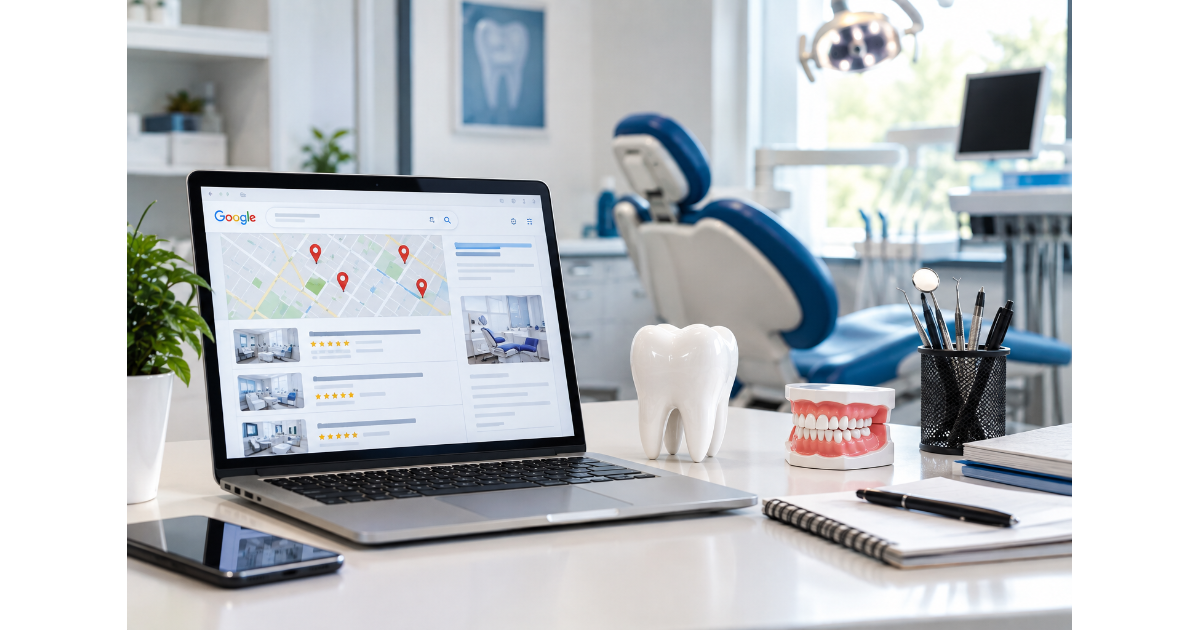
Great content only works if the technical foundation of your site supports it. Make sure your website loads quickly, works properly on mobile devices, and uses clear, descriptive page titles and headings that match how patients actually search. Broken links, slow-loading pages, and confusing navigation quietly undo a lot of good content work. According to the National Institute of Dental and Craniofacial Research, access to clear, accurate oral health information plays a meaningful role in whether people seek timely dental care (National Institute of Dental and Craniofacial Research), which is a good reminder that your website’s technical clarity is not just a ranking factor, it genuinely affects whether someone follows through and books an appointment. Pair this with a properly claimed Google Business Profile, since local search results often pull directly from that listing alongside your website, and the two working together tend to outperform either one alone. The American Dental Association also offers useful patient-facing resources worth referencing when building your own educational content American Dental Association.
Bringing It All Together
SEO for a dental practice is not a single fix; it is a steady accumulation of well-organized service pages, honest and reassuring content, and a technically sound website that search engines and patients both trust. Whether someone is searching for a straightforward dental care plan, researching dental implants after months of hesitation, or typing broken tooth emergency into Google at midnight, your website’s job is to answer clearly, calmly, and quickly. This does not happen overnight, but practices that commit to writing genuinely helpful content and keeping their site technically healthy tend to see steady, compounding growth in patients who found them through search, rather than patients who only showed up because of an expensive ad campaign. Start with your highest-value service pages, build out your preventative and informational content over time, and keep the technical basics clean. That combination, more than any single trick, is what actually moves a dental website up the rankings and keeps the chair full.