Subtotal ₨ 0





Real Estate Social Media Marketing:
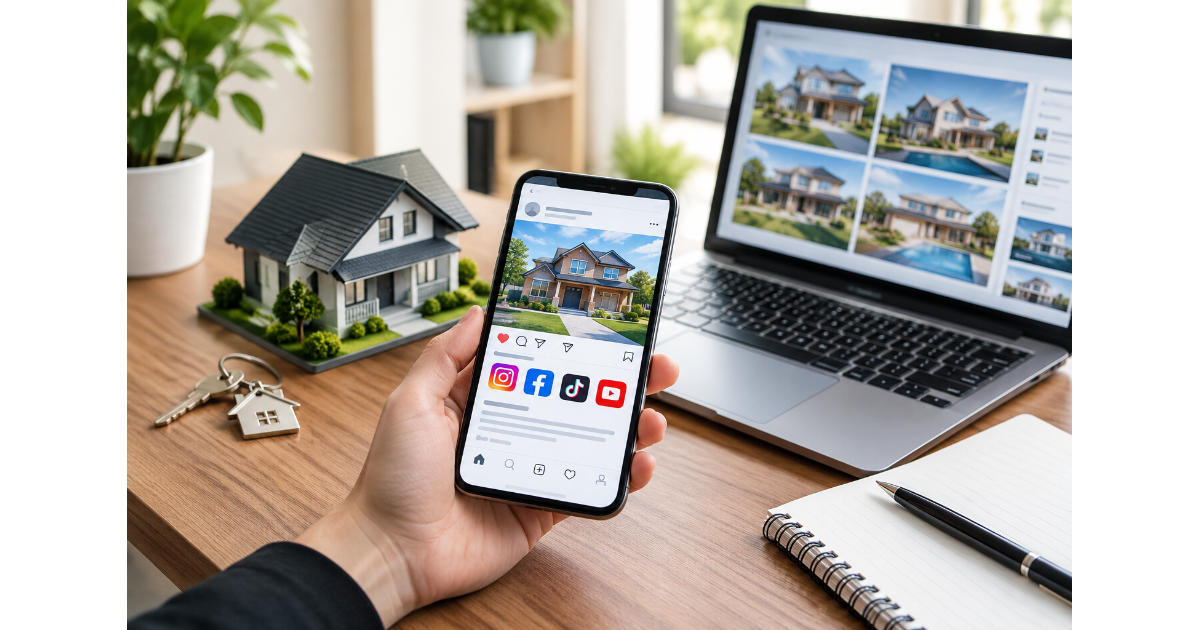
Scroll through Instagram or TikTok for five minutes and you’ll notice something interesting. The agents getting all the engagement aren’t necessarily the ones with the biggest ad budgets. They’re the ones who actually understand how these platforms work instead of just showing up on them because someone told them they should. Real estate social media marketing has quietly become one of the smartest, most affordable ways to build a brand people recognize, bring in a steady flow of leads, and stay in people’s minds long after they’ve closed one deal with you. So, whether you’re an agent trying to figure out social media for realtors from absolute scratch, or you’re a growing team debating whether it’s finally time to bring in a real estate social media marketing agency, this guide walks through what actually works, no fluff, no vague “just be authentic” advice that doesn’t tell you anything useful.
Why Social Media Isn’t Optional Anymore
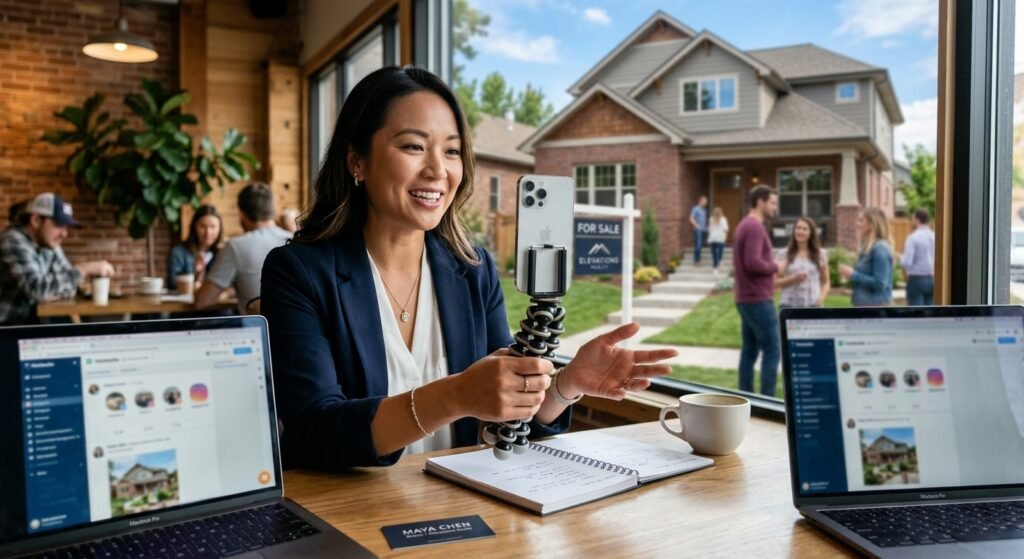
There was a time when a yard sign and a spot on the MLS were basically enough. Those days are gone, and honestly, they’re not coming back. Buyers and sellers now check out an agent’s Instagram, read Facebook reviews, and sometimes even scroll through TikTok before they ever pick up the phone. Social media marketing for real estate agents has become something closer to a digital storefront. It either builds confidence before you’ve even said a word, or it quietly pushes someone toward the agent down the street who just seems more put-together online. The agents doing well right now treat their social presence with the same care they’d put into a listing presentation, because in a lot of ways, it’s the same thing, just happening on a smaller screen.
Figuring Out Your Strategy Before You Post Anything
Here’s a mistake a lot of agents make: they open Instagram, feel the pressure to post something, and just wing it. A real real estate marketing strategy starts before that, with a clear sense of who you’re actually trying to reach. Are you talking to first-time buyers who are nervous about the whole process? Luxury clients who want polish and discretion? Local investors who just want the numbers? Once you know that, pick two or three platforms and actually commit to them instead of spreading yourself thin trying to be everywhere. I’ve seen agents try to keep up five different platforms at once and end up with mediocre content on all of them. Focus wins here, almost every time.
Getting Real Estate Instagram Marketing Right
Instagram is still one of the strongest platforms for real estate Instagram marketing, and honestly, it makes sense. Real estate is a visual business, and Instagram is a visual platform. Good listing photos, quick behind-the-scenes clips from an open house, short reels walking through a property, all of it tends to perform well because it gives people a reason to actually stop their thumb. And here’s the thing most agents get wrong: consistency beats perfection. An agent posting simple, honest content three times a week will almost always outdo someone posting beautifully edited content once a month. Instagram Stories in particular are great for this, because they’re casual and low-pressure, and people genuinely connect with seeing a little bit of your personality between all the listing photos.
Writing Captions People Actually Want to Respond To
A great photo with a flat caption is such a wasted opportunity. Strong realtor Instagram caption ideas go beyond square footage and bedroom counts, they give people a reason to stop and type something in the comments. Something as simple as “which room would you renovate first?” under a fixer-upper photo, or a quick line about the story behind the sellers, turns a passive scroll into actual engagement. Captions that end with a genuine question tend to pull in way more comments than ones that just describe the property, and that little bump in engagement tells the algorithm your content is worth showing to more people.
Making Facebook Ads for Real Estate Work Harder
Organic reach on Facebook has dropped off a cliff over the years, sure, but Facebook ads for real estate are still one of the more cost-effective paid options out there, mostly because the targeting is so precise. You can zero in on location, income range, life events like getting engaged or expecting a baby, even interests tied to home renovation shows or interior design. A simple lead ad offering a free buyer’s guide, or a “just listed” alert for a specific neighborhood, paired with a short form, almost always beats a generic “call me today” ad. And don’t just run one version and hope for the best. Test a few headlines and images side by side and let the numbers tell you what’s actually working, because your gut instinct is wrong more often than you’d think.
Trying Out Real Estate TikTok Ideas Without Overthinking It
TikTok has genuinely become a serious way to reach younger buyers, and the real estate TikTok ideas that actually land tend to be the ones that don’t take themselves too seriously. Think quick “day in the life of a realtor” clips, home tours where you guess the listing price before revealing it, or short myth-busting videos about the buying process. These work because they feel like they belong on the platform instead of looking like an ad someone forced into a video format. The agents getting real traction on TikTok are usually the ones willing to be a little awkward, a little unpolished, because that’s kind of the whole point of the app.
Using LinkedIn for Real Estate Agents the Right Way
LinkedIn for real estate agents is one of those platforms people forget about, and that’s honestly a shame, because it’s great for building authority, especially if you work with relocating professionals, commercial clients, or referral partners like mortgage brokers and attorneys. Sharing a thought on local market trends, or a quick post about a client’s success story, positions you as someone who actually knows what they’re talking about instead of just another agent posting listing after listing. LinkedIn rewards substance over flash, so a slightly longer, thoughtful post tends to do better here than the quick, punchy content that works so well on Instagram or TikTok.
Why YouTube Real Estate Marketing Pays Off Long After You Post It
Here’s what makes YouTube real estate marketing different from everything else on this list: longevity. A well-made video titled something like “what to know before buying your first home in [city name]” can keep pulling in views and leads years after you upload it, which is wild compared to an Instagram post that basically disappears from feeds within a couple of days. Neighborhood guides, full property walkthroughs, and simple Q&A style videos answering the questions buyers and sellers actually ask tend to do well, mostly because they match exactly what people are typing into Google and YouTube search bars at the same time. That’s essentially double the visibility from one piece of content.
Seeing How the Platforms Stack Up Against Each Other
Every platform is good at something different, and it helps to look at them side by side before deciding where you’re going to put your energy.
| Platform | Best For | Content Style | Time Investment |
|---|---|---|---|
| Visual branding, listings, stories | Photos, reels, behind-the-scenes | Medium (daily engagement) | |
| Paid ads, community groups | Ads, longer posts, event promotion | Medium | |
| TikTok | Reaching younger buyers | Casual, entertaining short video | High (frequent posting needed) |
| Authority building, referrals | Market insights, professional updates | Low-Medium | |
| YouTube | Long-term searchable content | In-depth videos, neighborhood guides | High (upfront), low (ongoing) |
Making Just Listed Posts Feel Like an Event
Every new listing is basically free marketing material, so treat it that way. Just listed social media posts shouldn’t be one lonely photo with a caption slapped on. Turn it into a little mini campaign instead. A teaser before the official reveal, a carousel of interior shots, a quick video walkthrough, then a follow-up posts a few days later highlighting one standout feature, like the kitchen or the backyard. This keeps the listing visible for days instead of it getting buried the moment you post it, and it gives you a stack of content to spread across different platforms without scrambling for new ideas.

Leaning on Templates So You’re Not Starting From Zero Every Time
Designing every single post from scratch gets exhausting fast, and honestly, nobody has the time for that. This is exactly why real estate social media templates have caught on the way they have. Tools like Canva have pre-built real estate templates for just listed announcements, open house promos, and market update graphics, and once you customize one with your colors, logo, and fonts, you can reuse that same structure over and over. Your feed ends up looking consistent and professional without you needing design skills or spending hours on something that should take you ten minutes.
Building a Content Calendar So You’re Not Guessing Every Morning
Inconsistency is probably the single biggest reason agents give up on social media. They post a lot for two weeks, run out of ideas, then disappear for a month. A real estate content calendar fixes this by taking the daily guesswork out of the equation. Plan a month ahead, mix in listing posts, educational content, client testimonials, and a little personal, behind-the-scenes stuff, so you’re never sitting there five minutes before you meant to post with absolutely no idea what to say. Something as simple as Market Monday, Listing Wednesday, and Client Story Friday gives your audience a rhythm to expect, and makes your own planning a whole lot easier too.
Creating Real Estate Video Marketing on a Normal Budget
You don’t need a film crew to do real estate video marketing well. A phone, decent lighting, and a rough script or a few talking points is honestly enough. Quick property walkthroughs, a short client testimonial, or a “three things to know before buying in this market right now” clip all work because they feel personal rather than overproduced. Video consistently outperforms plain photos when it comes to reach and engagement, which makes it one of the best places to put your energy even if your budget is basically nothing.
Turning Engagement Into Actual Leads
Posting regularly is only half the job. A real real estate lead generation social media strategy needs to actually guide people from “liking your posts” toward becoming a real lead. That might mean a clear call to action in your bio, an occasional giveaway that asks for an email in exchange for entry, or pointing engaged followers toward a landing page offering a free home valuation or a buyer’s guide. Without that deliberate bridge, you can end up with a nice-looking following that never actually turns into business, and that’s a frustrating place to be after months of consistent posting.
Weighing the Good and the Not-So-Good
Like any marketing channel, social media has real upsides and real trade-offs, and it’s worth being honest about both before you dive in headfirst.
| Advantages | Disadvantages |
|---|---|
| Low cost to start compared to traditional advertising | Requires consistent time and creative effort |
| Builds long-term brand recognition and trust | Results often take months to compound |
| Allows precise audience targeting through ads | Algorithm changes can affect organic reach |
| Multiple platforms let you reach different buyer types | Managing several platforms can feel overwhelming |
| Creates shareable content that can go viral | Negative comments or reviews are public |
A Few Habits Worth Building (and a Few Worth Breaking)
Some habits quietly separate the agents who build a real following from the ones who post occasionally and wonder why nothing’s happening.
| Do’s | Don’ts |
|---|---|
| Post consistently, even if it’s not perfect | Disappear for weeks then post five things at once |
| Show your personality, not just listings | Make every single post feel like a sales pitch |
| Respond to comments and DMs promptly | Ignore engagement from potential leads |
| Use a mix of photos, video, and text posts | Rely on a single content format exclusively |
| Track which content actually drives inquiries | Post blindly without ever reviewing what’s working |
| Write a clear, benefit-focused bio | Leave your bio blank or vaguely generic |
Writing a Bio That Actually Gets People to Reach Out
Your bio is usually the first thing a stranger reads before deciding whether to follow you or just keep scrolling, so it’s worth taking seriously. Good realtor social media bio ideas clearly say who you help, where you work, and include a simple next step, something like “Helping first-time buyers find home in [city] | DM me for a free consultation.” A bio like “Realtor, wife, coffee lover” feels personal, sure, but it doesn’t give anyone a reason to actually reach out. Balancing a bit of personality with clarity about what you do tends to convert a lot better than either extreme on its own.
Making Your Brand Feel Consistent Everywhere
Good real estate branding on social media means someone could scroll past your feed without seeing your name and still know it’s you. That comes down to using the same color palette, the same editing style, and a consistent voice, whether that’s warm and chatty or a little more polished and professional. Consistency builds familiarity, and familiarity builds trust, which is really the whole game when you’re asking someone to hand over one of the biggest financial decisions of their life.
Shifting Gears for Luxury Real Estate Social Media Marketing
Luxury real estate social media marketing needs a completely different tone than your average residential content. High-end buyers respond to aesthetic, exclusivity, and a good story more than a straightforward “just listed” announcement. Cinematic video tours, a carefully curated feed with consistently high-quality photography, and content that leans into lifestyle rather than square footage tend to land better here. Instagram and YouTube usually carry the most weight for this audience, since visual polish matters a lot when you’re marketing to buyers who expect a premium feel from the very first scroll.

Adjusting for Commercial and Property Management Audiences
Commercial real estate social media looks pretty different from residential marketing. Think cap rates, absorption trends, and market data instead of home tours, and LinkedIn tends to be the strongest fit here. Similarly, social media marketing for property managers usually splits between tenant-facing content, like community events and maintenance reminders, and owner-facing content proving the property is performing well. Then there’s real estate wholesaling social media, which leans heavily into deal-focused posts, recent flips, and off-market opportunities, aimed at pulling in both motivated sellers and cash buyers at the same time. None of these audiences respond well to a generic residential playbook, so it’s worth tailoring your approach for whichever niche you’re actually in.
Deciding Whether to DIY It or Bring in an Agency
At some point, a lot of agents hit a fork in the road: keep managing content themselves, or hand it off to a real estate social media marketing agency that handles strategy, content, and ad spend. Agencies can bring a level of polish and consistency that’s genuinely hard to replicate on your own, but they cost real money and only work well if you’re clear about your brand voice and who you’re trying to reach. If you’re newer and still figuring out your budget, learning the basics of digital marketing for real estate yourself first usually pays off, because once you understand what good content actually looks like, managing an agency later becomes a lot easier. If you want to dig deeper, HubSpot’s social media marketing guide and the National Association of Realtors both have solid, regularly updated resources worth bookmarking.
The Bottom Line
Real estate social media marketing was never really about chasing a viral moment or making every single post perfect. It’s about showing up consistently, giving people something genuinely useful or entertaining, and making it easy for them to reach out when they’re finally ready. Whether that’s a well-timed Instagram reel, a Facebook ad campaign, or a thoughtful LinkedIn post, the basics stay the same: know who you’re talking to, keep showing up, and remember that behind every follower is someone quietly deciding whether they trust you enough to call when they’re ready to buy or sell.